Artificial Intelligence (AI) is changing how individuals and families search for health insurance. Is AI better than working with a health insurance agent to find and enroll in the health plan best for you? While AI provides a tsunami of information it can’t be a good listener.

Every week someone calls me and asks if the information they received from an AI question about health insurance is correct. Sometimes AI gets it correct. Then there are times when the answer is wrong or inadequate. However, all information is good when trying to figure out the very complicated nature of health insurance.

Information is part of education. As a health insurance agent, I emphasize education before enrollment. Education is just the start of the conversation for most individuals and families. Before you can drive the car, you must know how it works. Where an agent can assist you is helping you determine if the car or truck you are considering is the best fit for your budget and lifestyle.

Health insurance and the linkages to income, taxes, immigration status, and the enrollment application is complicated. It’s like opening the hood of your car and wondering what all the hoses, belts, and wire do to make the car operate. I’ve seen AI results, while technically correct, do not factor current or future events.
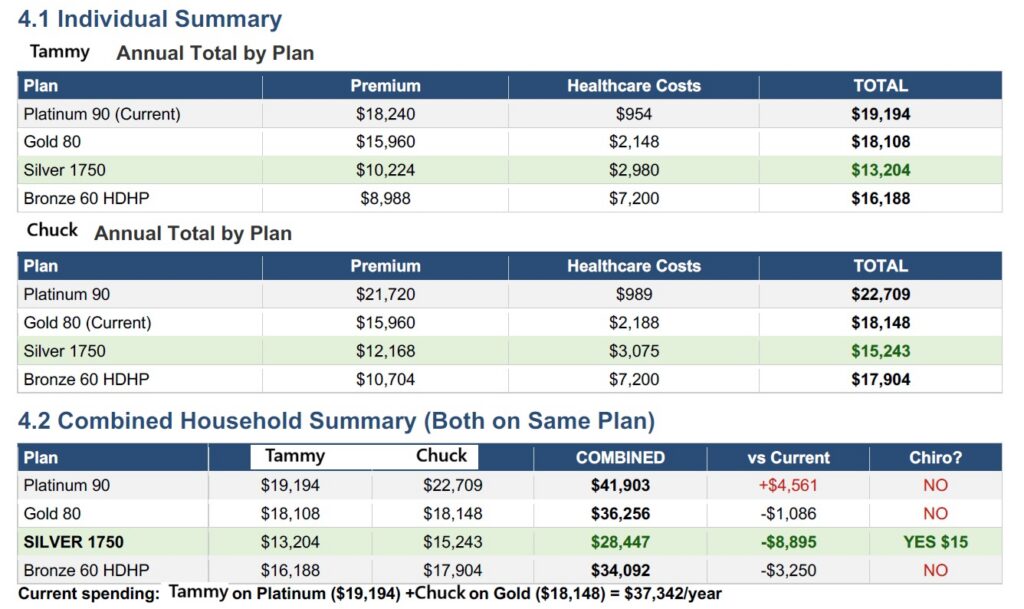
However, when I view an AI generated health insurance plan comparison and analysis, I’m very impressed. I can see how AI will fill the analysis and comparison of health plans for many consumers.
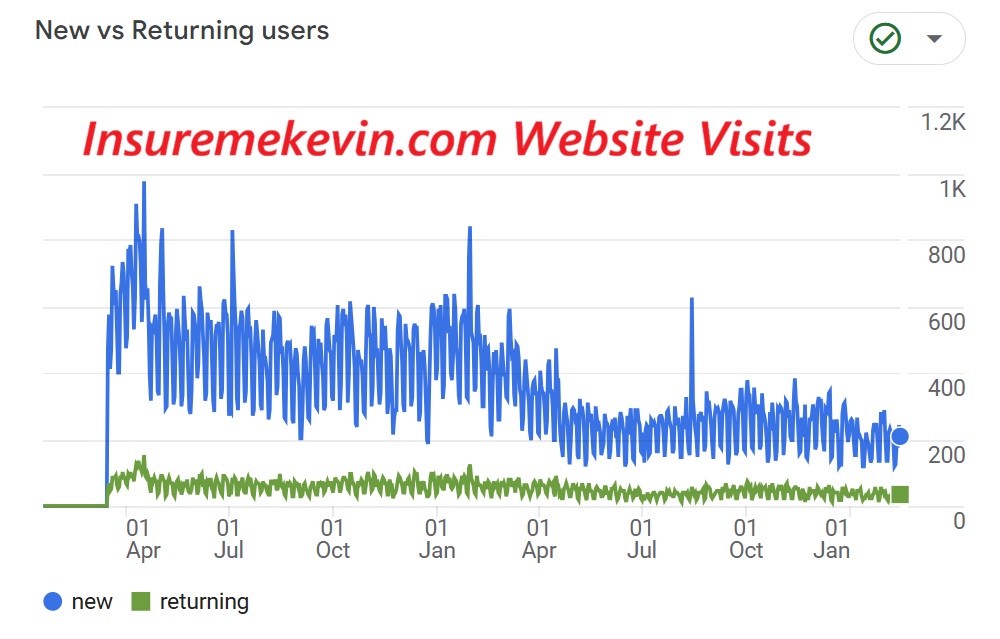
When I review my website traffic and its declining trend of visitors, I’m convinced more people are turning to AI to get their health insurance questions answered. This doesn’t mean my health insurance business is doomed, but it is a shift that I and other agents must recognize. The question then becomes, “How can agents differentiate themselves from AI?”
AI, are you listening?

Agents do have two ears in which to listen to clients. While I know AI will advance, a human agent has critical thinking skills that can be applied to a client’s situation.
I recently had a 90-minute conversation with a new client where we talked about the nuances of the Covered California subsidy. There were many scenarios related to income and the potential repayment of subsidies. What if the income spiked in the middle of the year? What if he got a high paying job with employer group insurance? Would he have to repay the reduced cost sharing of the Silver 94? I’m not sure AI could easily answer all those questions as quickly, at least not today.

Beyond the ACA subsidies, income, and taxes, there are questions that can only be answered with life experience, which AI does not have. Agents can listen to the past health history of the client and learn about their current providers. Does the client take any special prescription medication and how might it be covered. Finally, listening to the client about future health care utilization.
When all the client information is taken and run through the life experience of the agent and their knowledge, a better health plan recommendation might be reached. For example, perhaps the individual is seeing and being treated by Stanford doctors. The individual might be better with their expensive COBRA plan because none of the individual and family plans include Stanford Health Care in-network.
I don’t want to rely on AI as part of my business model of assisting clients. The shift to AI demands that I, as an insurance agent, learn how I might be able to incorporate it into my services. AI will reduce the demand for insurance agents leading to fewer agents in the field. All I can do is keeping listening to clients and learn how AI might help sharpen my recommendations for health insurance in the future.
YouTube video on AI vs. Agents