If your income increased or your household size decreased during the year, you can estimate how much Covered California Advance Premium Tax Credit health insurance subsidy you may have to repay. You can use the Covered California Shop and Compare tool to learn your original subsidy and how much you were actually eligible for.

Life can unexpectedly change during the year after you have enrolled into Covered California with the health insurance subsidies. Your income increases. You gain employer sponsored health insurance or Medicare. One of your children leaves the household. All these life changes can mean you have to repay excess subsidies you received during the year when you file your federal and state income tax returns.
Change of Household Size
To estimate how much Advance Premium Tax Credit subsidy you may have to repay, start with the Covered California Shop and Compare tool.
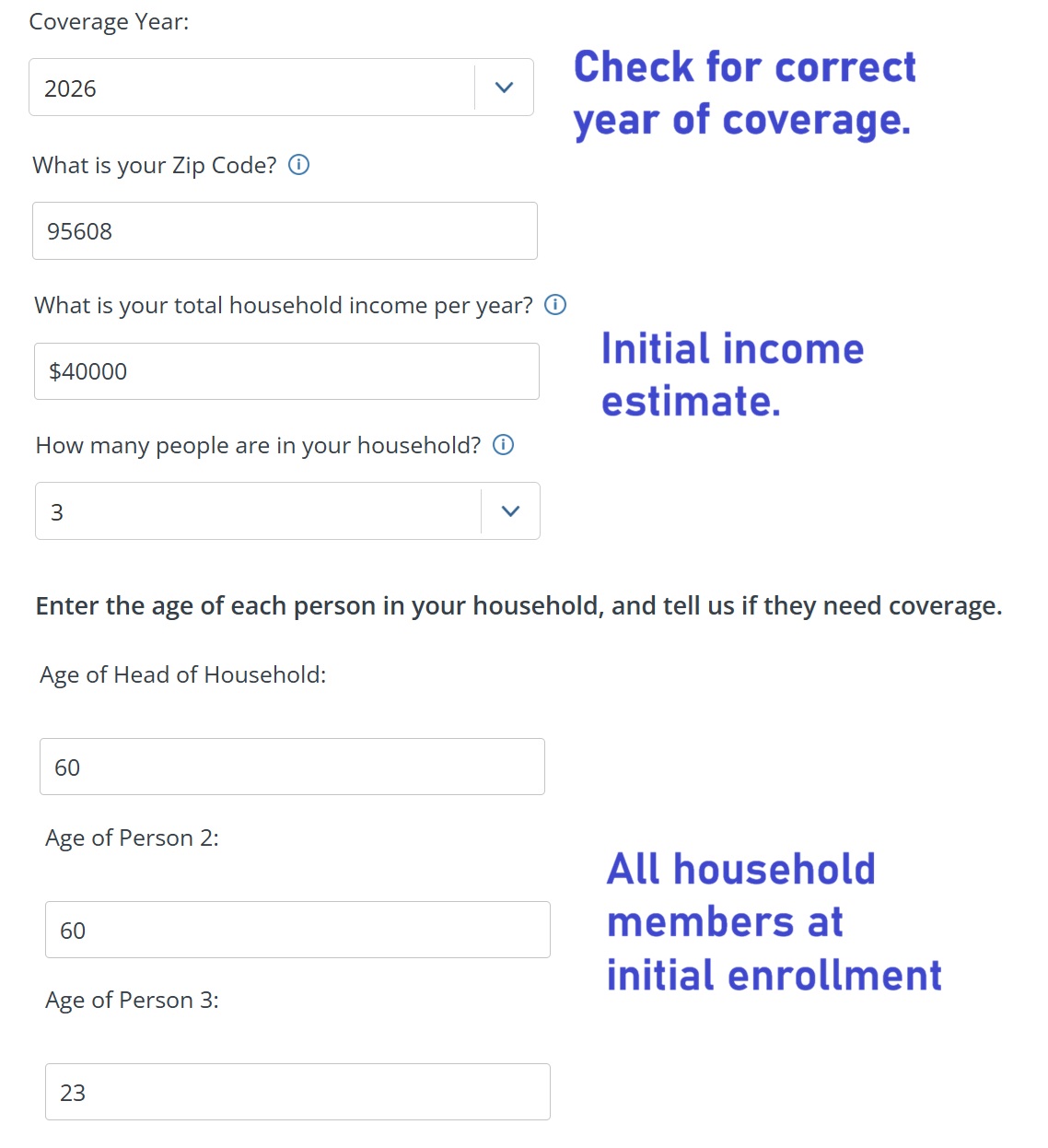
Enter basics of your initial enrollment: estimated income, household size, and ages of household members.
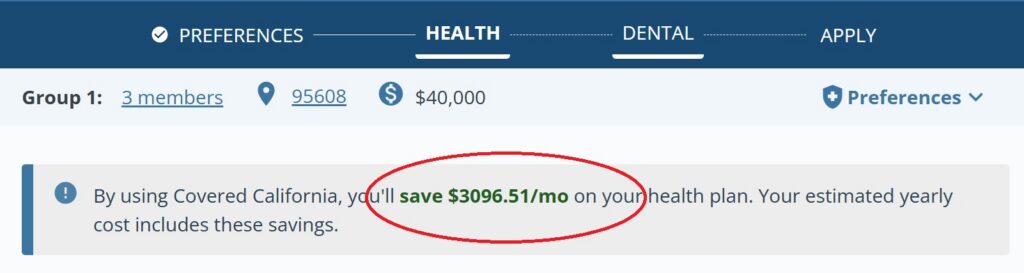
You then have to flip through several pages until you get to page displaying the plans available to you. At the top will be a monthly subsidy amount.
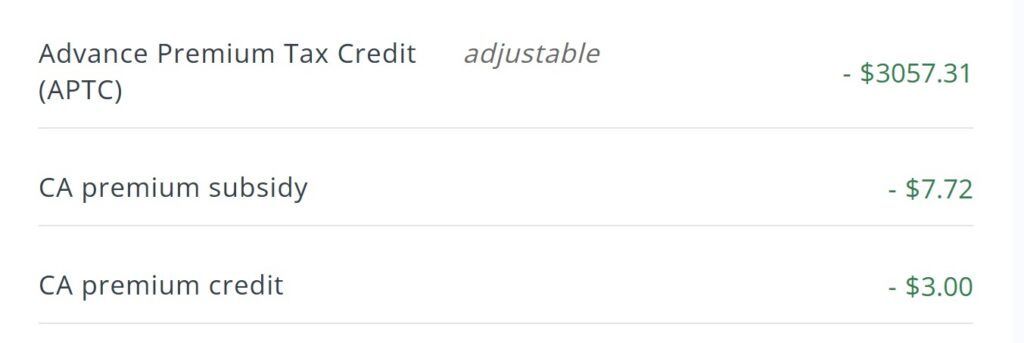
The monthly subsidy is a combination of the federal and state subsidy, and the $1 credit for each household member.
Write down the monthly subsidy or enter on a spreadsheet. Then repeat the Shop and Compare tool steps with the final household numbers for the enrollment year.
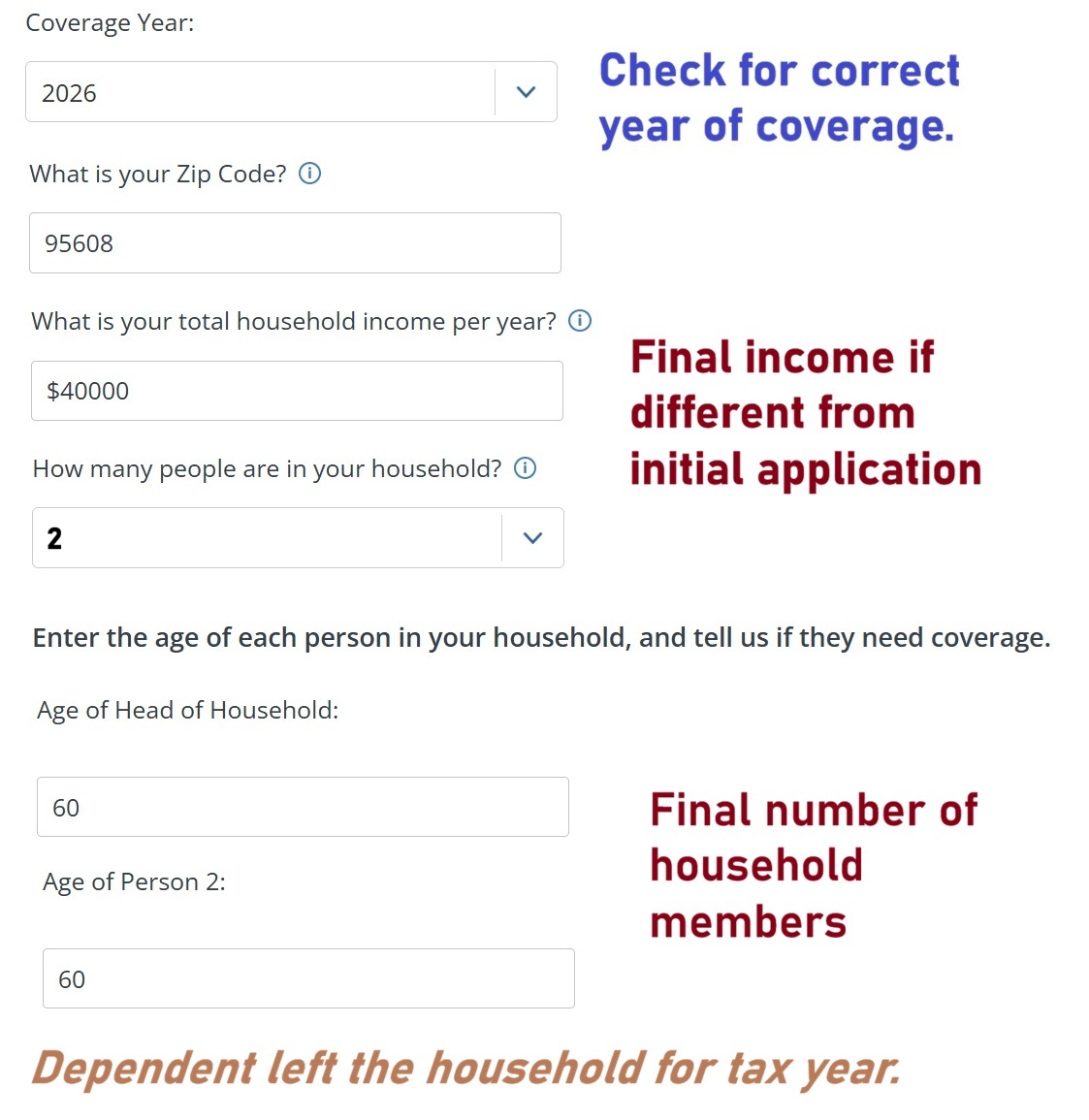
Enter any updated income amount, household size, and ages of the family members who will be included on the federal tax return.
In this example, the income remains the same, but the household size decreases from 3 to 2.
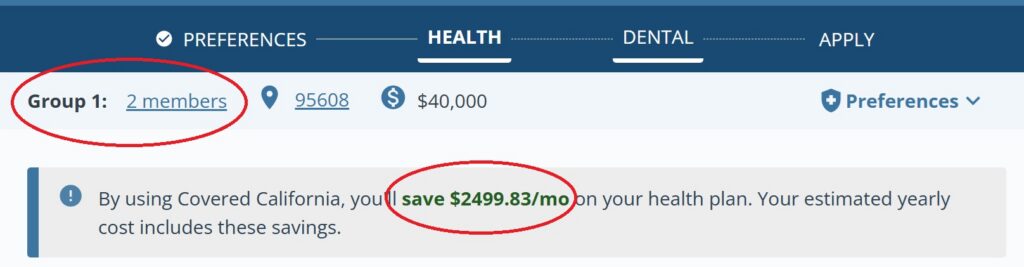
Get to the page that shows the monthly subsidy. Enter that number on your worksheet.
Originally, this family was a size of 3 and were in Covered California for 10 months. We multiply the monthly subsidy of $3,095 times the number months of enrollment for a total subsidy of $30,950.
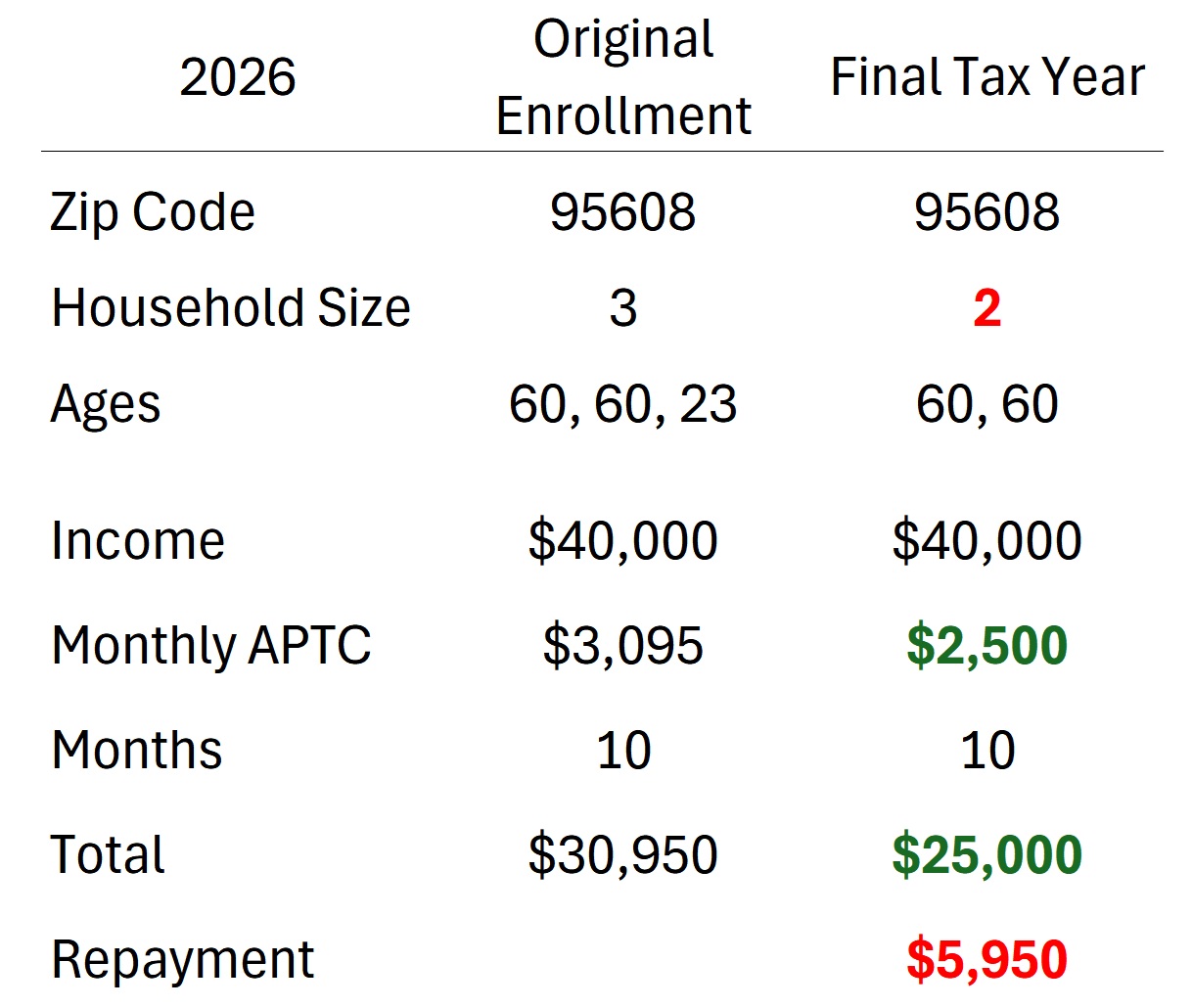
During the year, the dependent graduated college and entered a good job. It made no sense for the dependent to remain on the family health plan and have their high salary added to their annual income. The estimated subsidy for a household of 2, at the same income is $2,500, or $25,000 for the ten month enrollment.
This means that the primary tax payer will have to repay an estimated $5,950 in excess subsidies.
Change of Income
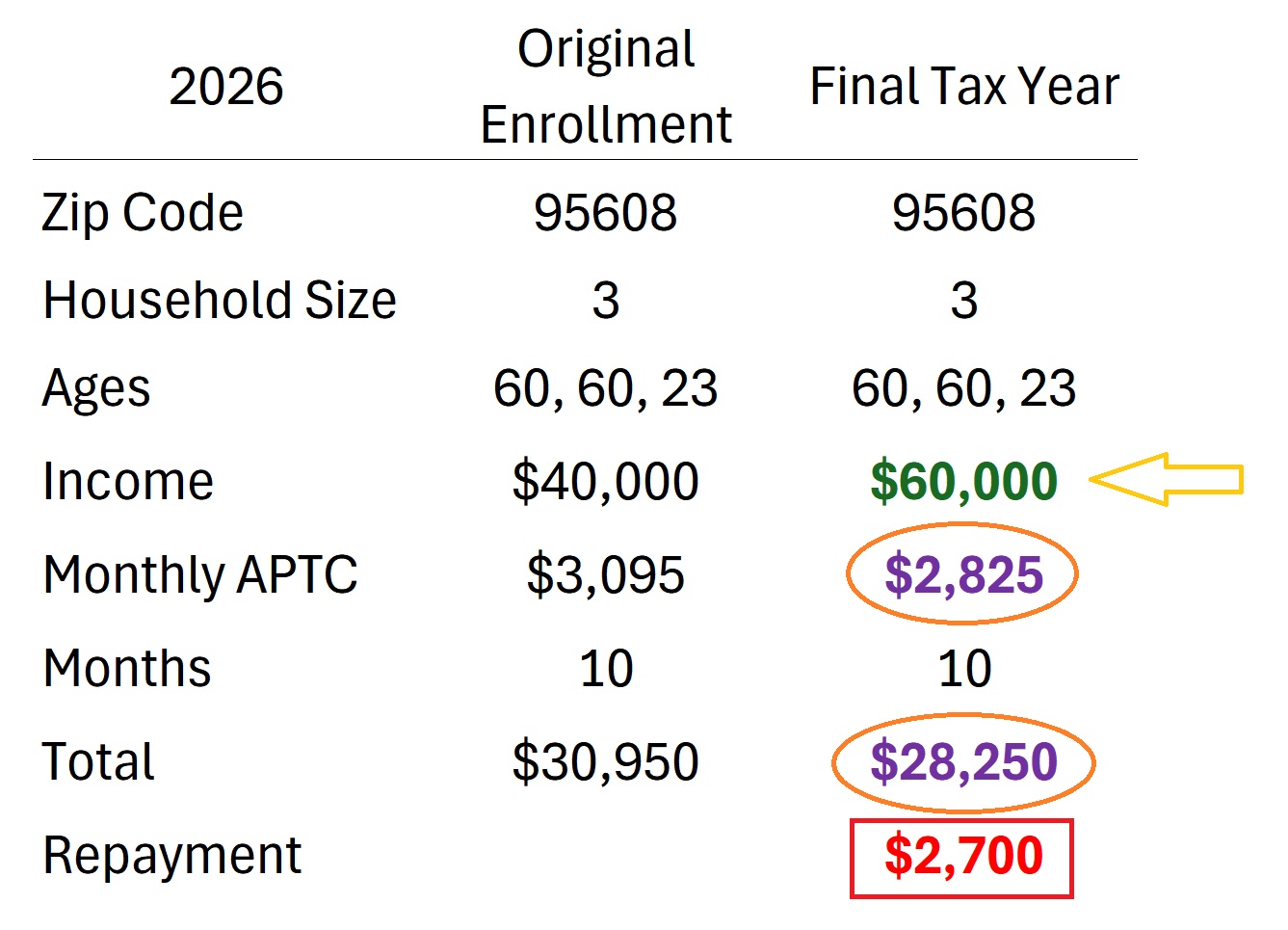
In this example, the family size stays the same, but income increases by $20,000 to $60,000 annually. The subsidy for the household of 3 is $2,825 a month. This means they received approximately $270 too much subsidy every month at the lower original income estimate. The primary taxpayer will have to repay approximately $2,700 in health insurance subsidy assistance.
California Premium Subsidy
Not all the subsidy repayment will go to the federal government. For low income families, they may have received a California Premium Subsidy.
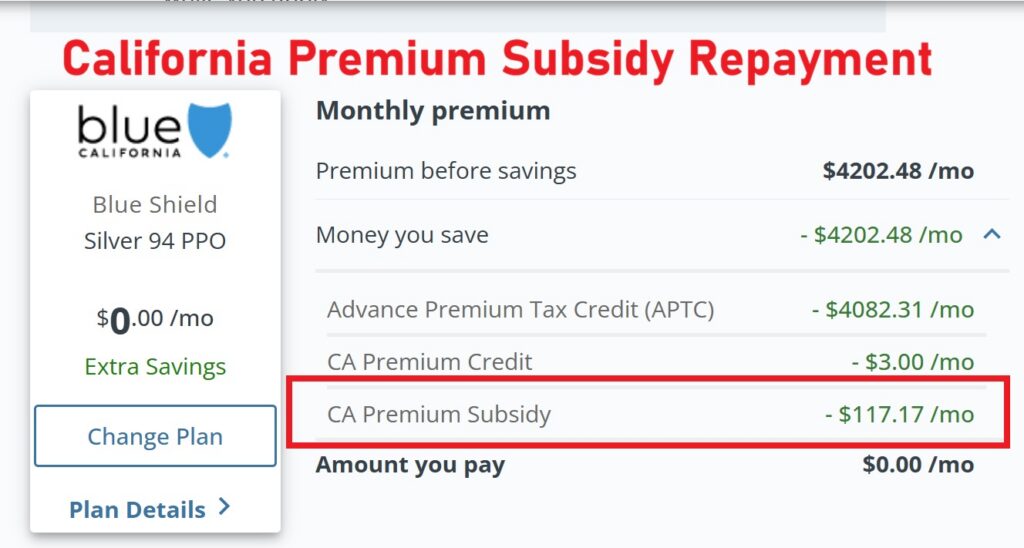
In this example, the household of three was receiving $117.17 subsidy from the State of California. If the final income on the California state income tax return is greater than 165 percent of the federal poverty level for the household size, they may need to repay all of it back to California.
YouTube video on steps to calculate subsidy repayment.