Artificial Intelligence (AI) is changing how individuals and families search for health insurance. Is AI better than working with a health insurance agent to find and enroll in the health plan best for you? Will health insurance agents become obsolete? While AI provides a tsunami of information it can’t be a good listener.
Will AI put Agents Out of Business?
Every week someone calls me and asks if the information they received from an AI question about health insurance is correct. Sometimes AI gets it correct. Then there are times when the answer is wrong or inadequate. However, all information is good when trying to figure out the very complicated nature of health insurance.
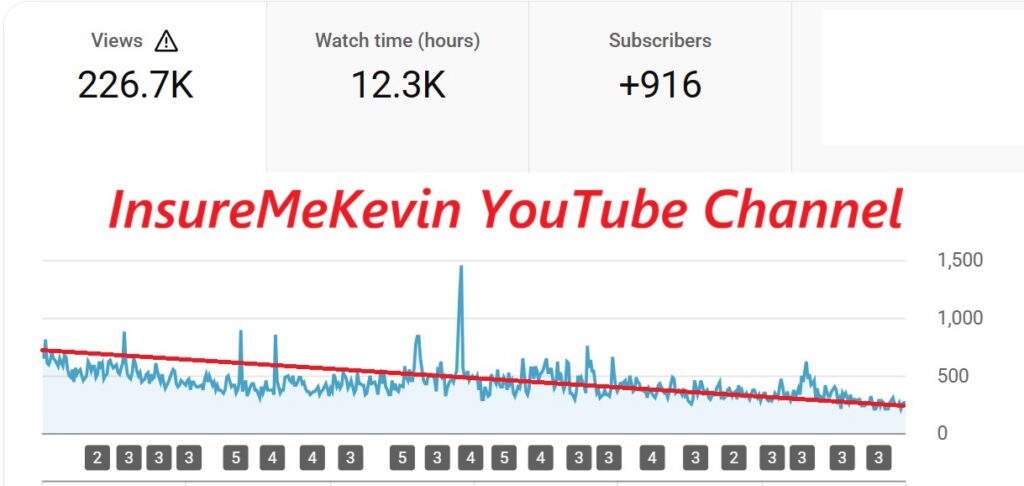
Whether the information is good or bad, more and more people are turning to AI websites to get their health insurance questions answered. I’ve noticed a drop in visits to my website and views of YouTube videos as AI becomes more prominent.

Health Insurance is Complicated
Information is part of education. As a health insurance agent, I emphasize education before enrollment. Education is just the start of the conversation for most individuals and families. Before you can drive the car, you must know how it works. Where an agent can assist you is helping you determine if the car or truck you are considering is the best fit for your budget and lifestyle.

Health insurance and the linkages to income, taxes, immigration status, and the enrollment application is complicated. It’s like opening the hood of your car and wondering what all the hoses, belts, and wires do to make the car operate. I’ve seen AI results, while technically correct, do not factor current or future events. Insurance agents are like car mechanics that can explain how Medi-Cal connects to Covered California, COBRA to employer sponsored plans, and when you should shift into Medicare.
The one thing I’ve learned from researching history is to be skeptical of all the information I hear and read. What is the source of the historical information? If AI tells you that contributions to a health savings account are not a tax deduction, is the source of that information before or after the latest IRS guidance released in an obscure update online?

I avoid relying on AI because I don’t know the source of the information. It takes more work, but I defer to published information by government agencies like Covered California, IRS, Medicare, health plan evidence of coverage and other sources. I want to be able to point to a document that clearly delineates the answer to the question.
For example, does the least expensive health plan have your preferred doctors and other providers in-network. How much will your prescription drugs cost and are they even covered by the health plan. If your income takes a big jump, how will that affect your subsidies?
AI, are you listening?
A good insurance agent will listen to the client. The agent needs to understand the priorities and fears of the client when it comes to insurance. The agent can explain the various options and run through different scenarios. For example, by opting into a Medicare Advantage plan, the individual may be precluded from a Medicare Supplement plan in the future. Another example, there may be no reason to enroll the children in dental and vision insurance when it is covered by the health plan.
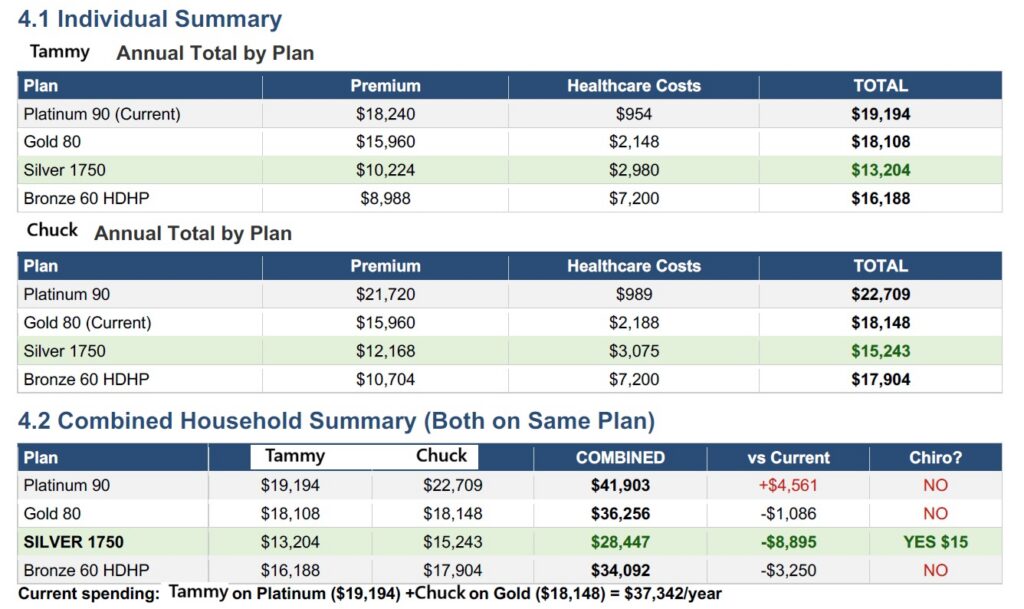
However, there can be no mistake that AI is becoming more sophisticated in providing financial analysis for health insurance. There is a large population of people for which the AI analysis is good enough to base a health insurance decision upon. This makes health insurance agents obsolete in many situations.
I think there will be a place for health insurance agents in the future. Unfortunately, we probably won’t need as many agents in the marketplace. However, as long as health insurance and health care remains a complicated structure of interconnected wire, belts, tubes, and hoses, we will need agents to help explain the process and enroll people into health plans.
YouTube video on AI vs. Agents