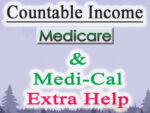
Medi-Cal breaks up the income into unearned income, earned income, in kind income, and exempt income. Finally, there are certain expenses that will reduce the final countable income for eligibility in the Medicare Savings Program.

Kevin Knauss: Health, History, Travel, Insurance
Post related to Medicare health insurance, Part A, Part B, Part C, and Part D prescription Drug Plans, Medicare Advantage and Medicare Supplement plans.


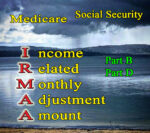
Pat and Don are a married couple. Pat is age 67 and Don is age 64. Pat retires from work and leaves the employer group plan. Pat activates Part B of Medicare. For the last filed tax year, the modified adjusted gross income for Pat and Don was $350,000. Pat will be subject to an Income Related Monthly Adjustment Amount for the Part B and Part D.


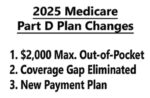
Of all the Medicare plans, the Part D Prescription (PDP) plans are the most confusing. The confusion arises because Medicare allows the Part D plans to offer alternate plans that differ from the standard plan. The alternate plans must be as good as the standard plan for the average Medicare beneficiary. Cost Sharing of the […]


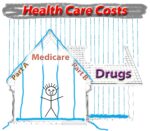
Medicare Advantage plans, that cannot be paired with a Medicare Supplement plan, is another way to divert much of the storm of health care costs to the gutters and downspouts. The Medicare Advantage plans usually have the Part D drug plan embedded within the total package. There will still be some leaks from copayments and coinsurance with the Medicare Advantage plans.


The higher asset limit applies to non-exempt assets. Generally, assets exempt from the calculation are an individual’s house as a primary residence, one car, burial plot, up to $1,500 in a burial expense account, furniture, and other household and personal items. What has stymied many people from being eligible for some Non-MAGI Medi-Cal programs are the non-exempt assets such as savings accounts, stocks, bonds, or other assets that could be liquidated to pay for health care services.


There are a couple different ways to structure Medicare coverage. In the absence of any extra help from Medicaid or Social Security for Part D prescription drug coverage, the average Medicare beneficiary will realize the $170.10 for Part B and approximately $35 (national average) for a Part D plan. If the beneficiary adds a Medicare Supplement to cover most of the deductibles, copayments, and coinsurance of Original Medicare, there could be an additional cost of approximately $150 (Plan G in California.) That brings the monthly insurance costs up to $355.


In California there are 32 different Part D plans offered by 11 different insurance companies. One plan sponsor offers six different plans. The only thing that differentiates these plans at first glance are the marketing names like Basic, Choice, Classic, Enhanced, Plus, Saver, Secure, and Value. These monikers are marketing gimmicks and tell the Medicare beneficiary nothing about the benefits of the plan.


Spam prevention powered by Akismet