Medicare Advantage plans can offer lower costs and more benefits for many Medicare beneficiaries. For some households, the rising cost of Medicare Supplement plans has made it difficult to keep both spouses enrolled in a supplement plan. That is why many people are taking a closer look at Medicare Advantage plans.

Hello, I am Kevin Knauss, an independent health insurance agent in California. I work with Medicare beneficiaries and Medicare Advantage plans, which are often HMOs. Medicare Advantage plans are not for everyone, but they may be worth reviewing if supplement premiums have become unaffordable.
Comparing Medicare Advantage and Medicare Supplement Plans
The cost of Medicare supplement plans has increased over the last couple of years. Even though supplement plans can work very well, they may no longer fit every budget. In many cases, Medicare Advantage plans can reduce monthly costs while adding benefits that people may be able to use throughout the year.
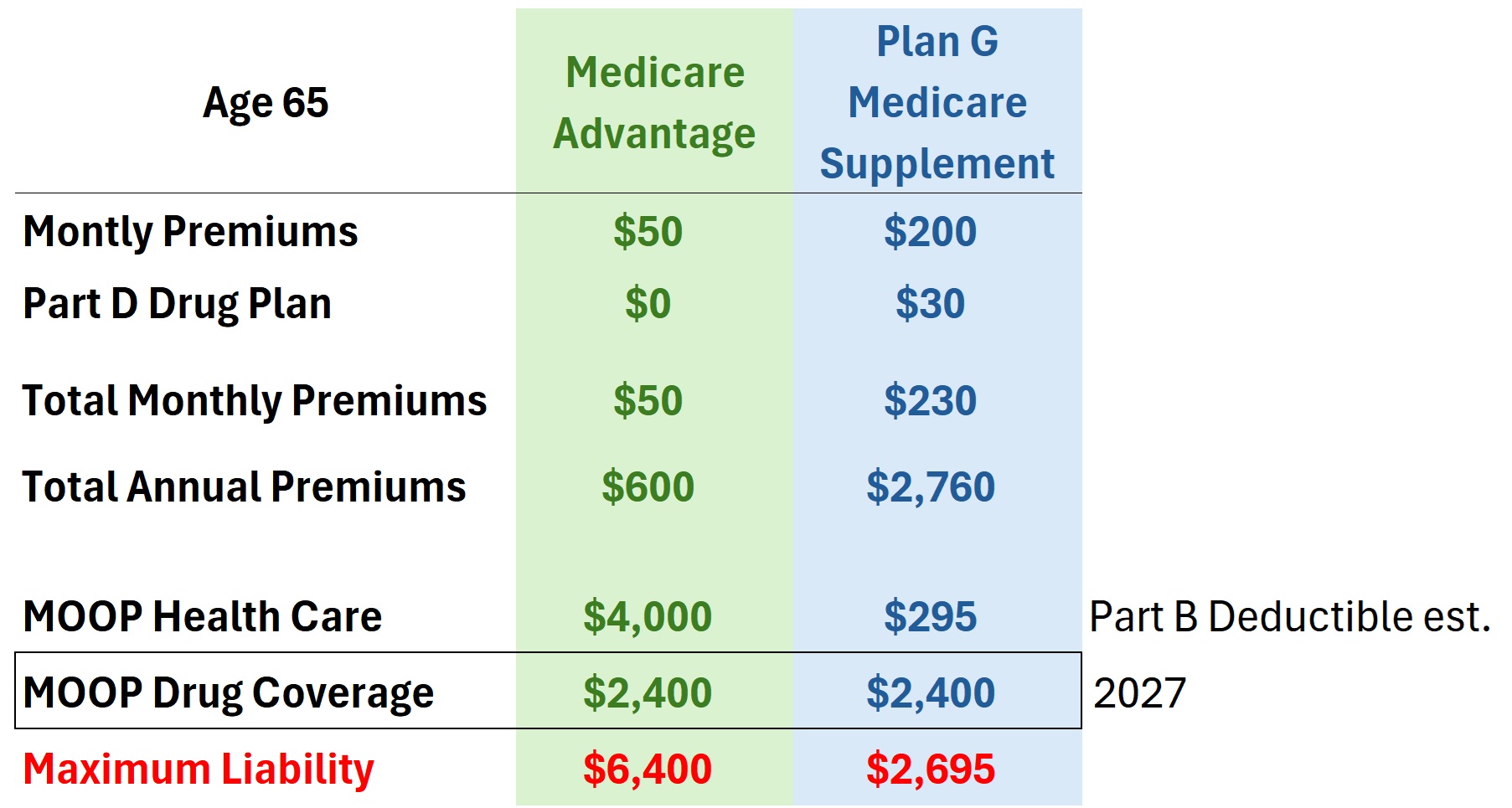
For this comparison, I am using general 2026 and 2027 pricing for someone who is age 65. Many Medicare Advantage plans have a $0 premium, while some may have a premium around $50 per month. A Plan G Medicare supplement plan, which covers original Medicare health costs except for the Part B deductible, may cost around $200 per month.
If you have original Medicare with a supplement plan, you also need a standalone Part D prescription drug plan. That may add another $20 to $30 per month. Most Medicare Advantage plans include Part D drug coverage, so a separate drug plan is usually not needed.
Using these estimates, total monthly premiums may be about $50 for a Medicare Advantage plan and about $230 for a Medicare supplement plan with Part D drug coverage. That works out to about $600 per year for Medicare Advantage and about $2,760 per year for a Medicare supplement plan.
Maximum Out-of-Pocket Costs
Maximum liability is where Medicare supplement plans can shine. Medicare Advantage plans have a maximum out-of-pocket amount for covered health care services. That amount can be very low, such as $1,000, but it can also be as high as $8,000. It is important to review this number carefully when comparing plans.
For this example, I used $4,000 as a general average maximum out-of-pocket amount for a Medicare Advantage plan. With a Plan G Medicare supplement, the main health care exposure is the Part B deductible, which I estimate at $295 for 2027.
Drug costs are separate. Whether your Part D coverage is included in a Medicare Advantage plan or purchased as a standalone Part D plan, the maximum liability for drug costs in 2027 is expected to be $2,400.
In a worst-case scenario, a Medicare Advantage plan may have a total potential liability around $6,400 or higher, depending on the plan. With a Plan G supplement, and you reach the Part D maximum, the total annual cost may be around $2,695 plus premiums and applicable drug costs.
Extra Benefits in Medicare Advantage Plans
Medicare Advantage plans may have lower costs, but the benefits are also changing. Not every plan includes every benefit, so it is important to compare the plans available in your area and focus on the benefits that matter most to you.

Many plans include dental, vision, and hearing benefits. Dental coverage may be limited to preventive cleanings, while some plans include enhanced coverage for fillings or offer optional dental riders. Vision benefits may include eye exams and frame allowances. Hearing benefits may include hearing exams and allowances toward hearing aids.
Many Medicare Advantage plans also include some type of gym membership. If that matters to you, check which fitness program sponsors the benefit and which gyms are in network. Some people choose a plan partly because a preferred gym near their home participates in the plan’s fitness benefit.

Most plans also include a nurse advice line. Instead of going directly to the doctor, you may be able to call and ask for guidance about a health concern. Some plans may also offer support services or referrals for health-related needs, such as home safety improvements or other assistance.
Special Supplemental Benefits for the Chronically Ill

Some Medicare Advantage plans include Special Supplemental Benefits for the Chronically Ill, often called SSBCI benefits. Eligibility for these benefits is becoming more specific in 2027, so you will need to make sure your chronic condition qualifies and can be documented by your primary care physician.
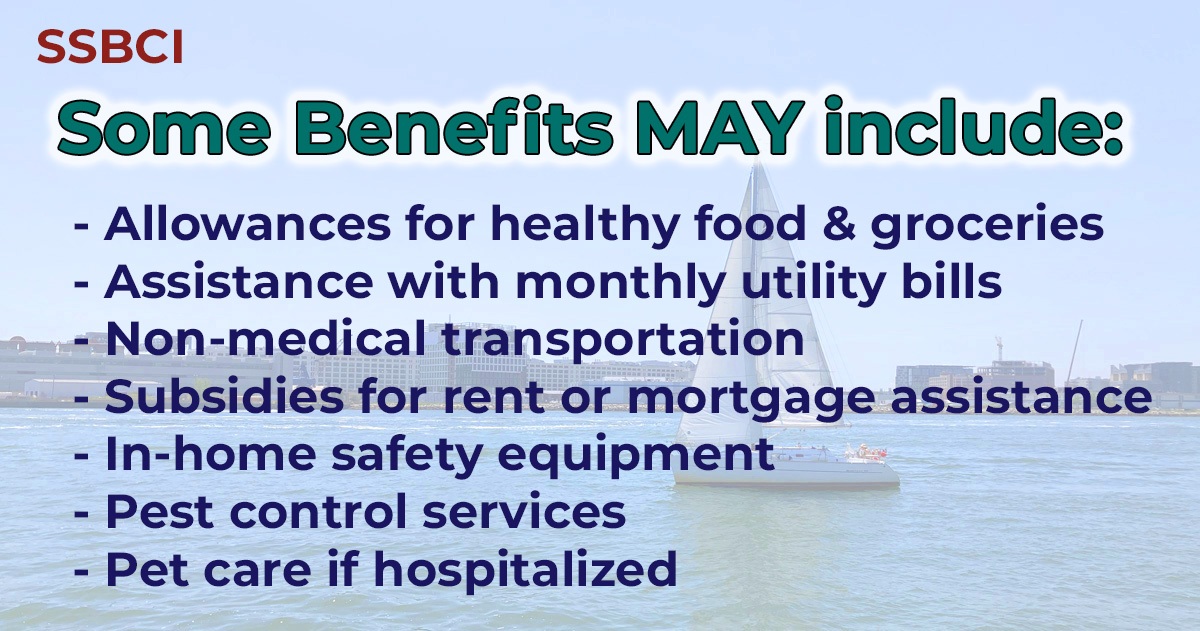
If you qualify and the benefits are included in the plan, you may receive help with healthy food and groceries, monthly utility bills, non-medical transportation, rent or mortgage assistance, in-home safety equipment, pest control services, or even pet care if you are hospitalized.
These benefits are designed to help Medicare beneficiaries with chronic illnesses, especially when health needs extend beyond traditional medical care.
Part B Credits and Over-the-Counter Benefits
Some Medicare Advantage plans include a Part B premium credit. When you enroll in one of these plans, the plan notifies Social Security to reduce the Part B deduction from your Social Security check. The credit may be small, such as $15, or it may be higher.

For people on a tight budget, even a modest Part B reduction can help stretch monthly income. If your Social Security deposit is not very large, reducing the Part B deduction can make a noticeable difference.
Some plans also include an over-the-counter benefit, often provided through a card. This benefit may be used at participating pharmacies, select stores, or through online ordering. The credit may be monthly or quarterly, and amounts such as $50 or $75 can help with common health-related items.
Provider Networks Matter
More Medicare Advantage plans are becoming provider-network specific. Kaiser is a familiar example: if you want to use Kaiser facilities and Kaiser doctors while on Medicare, you generally need to enroll in a Kaiser Medicare Advantage plan.

Other plans may be designed around networks such as Hill Physicians, Sutter, UCLA, or similar provider groups. These arrangements can provide peace of mind if your doctors are already in those networks and you want to keep seeing them.
The most important point with any Medicare Advantage plan is making sure your primary care physician and your specialists are in network before you enroll.
Concierge Services, Transportation, and Meals
Some Medicare Advantage plans offer concierge-style services. For example, members may be able to call for help coordinating certain services, such as transportation to a lab or medical appointment.

If the plan includes transportation benefits, the concierge may help arrange a ride to and from an appointment. This can be especially helpful for people who have difficulty driving or arranging transportation on their own.
Many plans also include meals delivered to your home after a hospital stay, skilled nursing facility stay, or surgery. This can be a meaningful benefit because cooking for yourself after a medical procedure can be difficult.
Extra Help and Medi-Cal
Medicare Advantage members may also be able to receive extra help if they qualify for Medi-Cal in California. Depending on your income and assets, Medi-Cal may help cover the Part B premium, cost sharing within the Medicare Advantage plan, and possibly any plan premium if you are a qualified Medicare beneficiary.

Even if you do not qualify for Medi-Cal because your assets are too high, you should still consider applying for the Social Security Low Income Subsidy for Part D drug coverage. Social Security uses a different income threshold, and the extra help program may be available even when Medi-Cal is not.
If you qualify for the Low Income Subsidy, you may have no drug deductible or reduced prescription costs. There are different levels of assistance, so it is worth checking your eligibility.
Is Medicare Advantage Right for You?
Many people like the flexibility of original Medicare because it allows them to see a wide range of doctors and specialists. However, original Medicare does not include a built-in backstop on health care costs, which is why some people purchase a Medicare supplement plan.
Medicare supplement plans can provide strong protection, but they can also be expensive. That is why more people are reviewing Medicare Advantage plans. Medicare Advantage may require giving up some provider flexibility, but it may also reduce costs and add benefits such as dental, vision, transportation, gym memberships, over-the-counter credits, and other support services. The right choice depends on your doctors, medications, budget, health needs, and the specific plans available in your area.
YouTube video on Medicare Advantage benefits.